
Project Spotlight
The "Impossible" Duplex Conversion
How we turned a failing 1900s farmhouse into a high-revenue, code-compliant duplex rental.
The Starting Point: A 1900s Nightmare
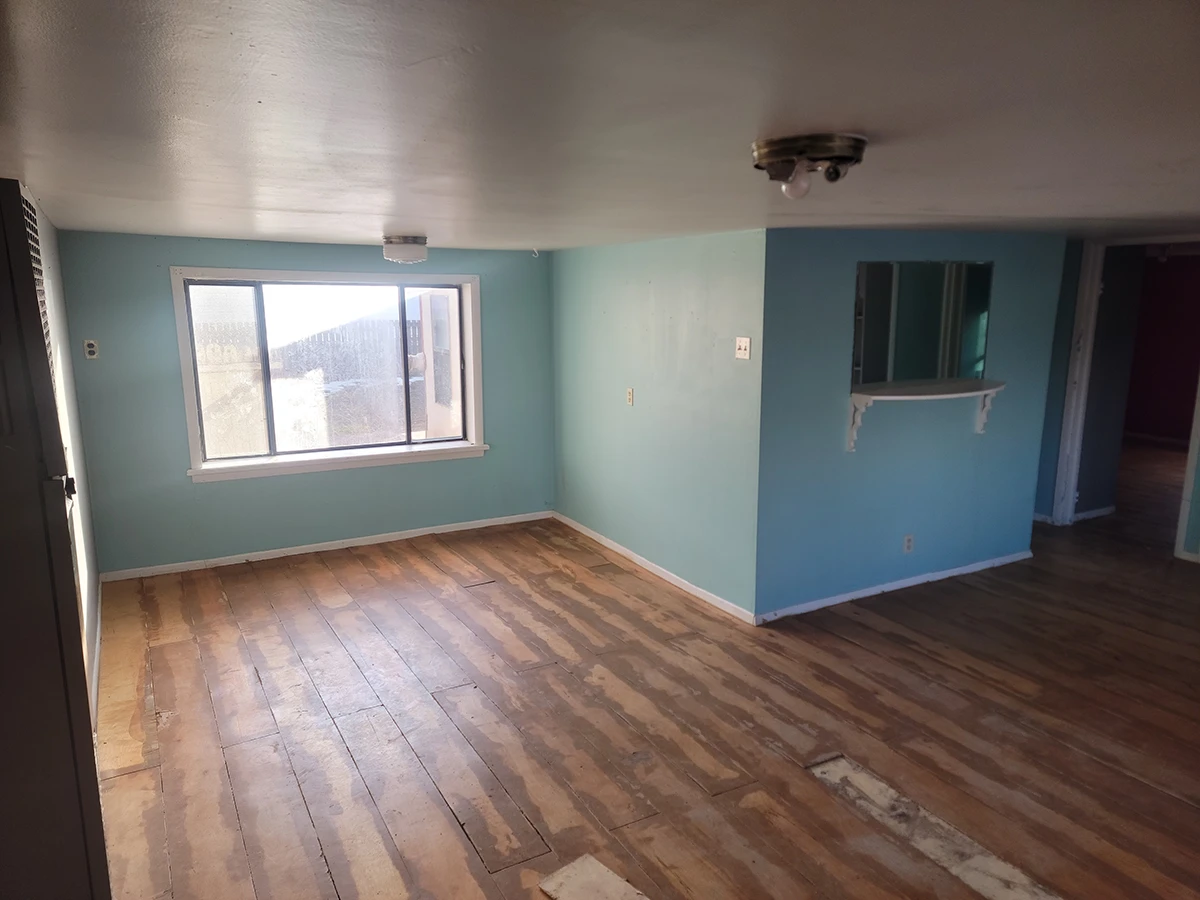
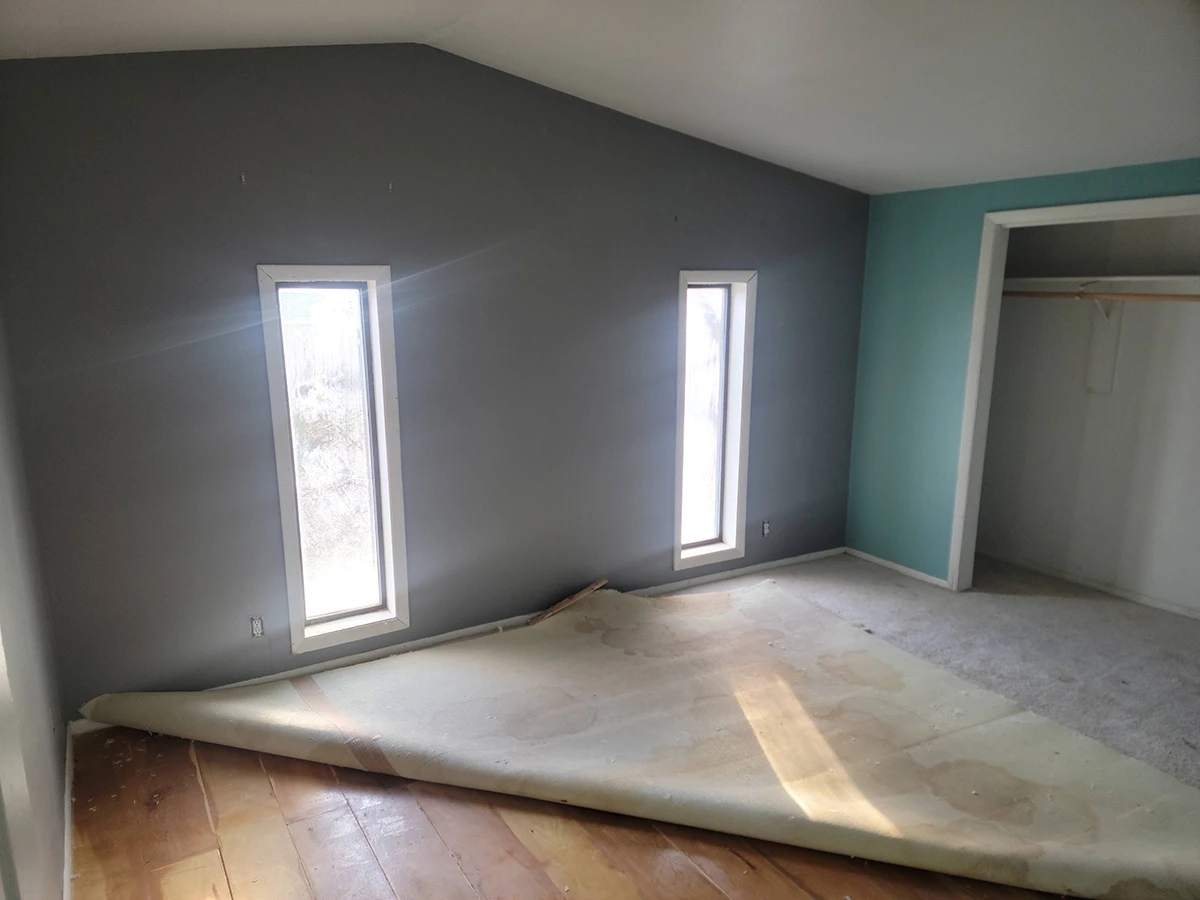
When we walked in, this property was a disaster waiting to happen. Built in the early 1900s, it had been "added onto" four separate times by different people, resulting in a confusing layout and serious structural failures.
The heating system consisted of a single gas unit meant for a trailer—with no ductwork. The windows leaked air, the floors heaved, and one section of the home was heated by a pellet stove alone.
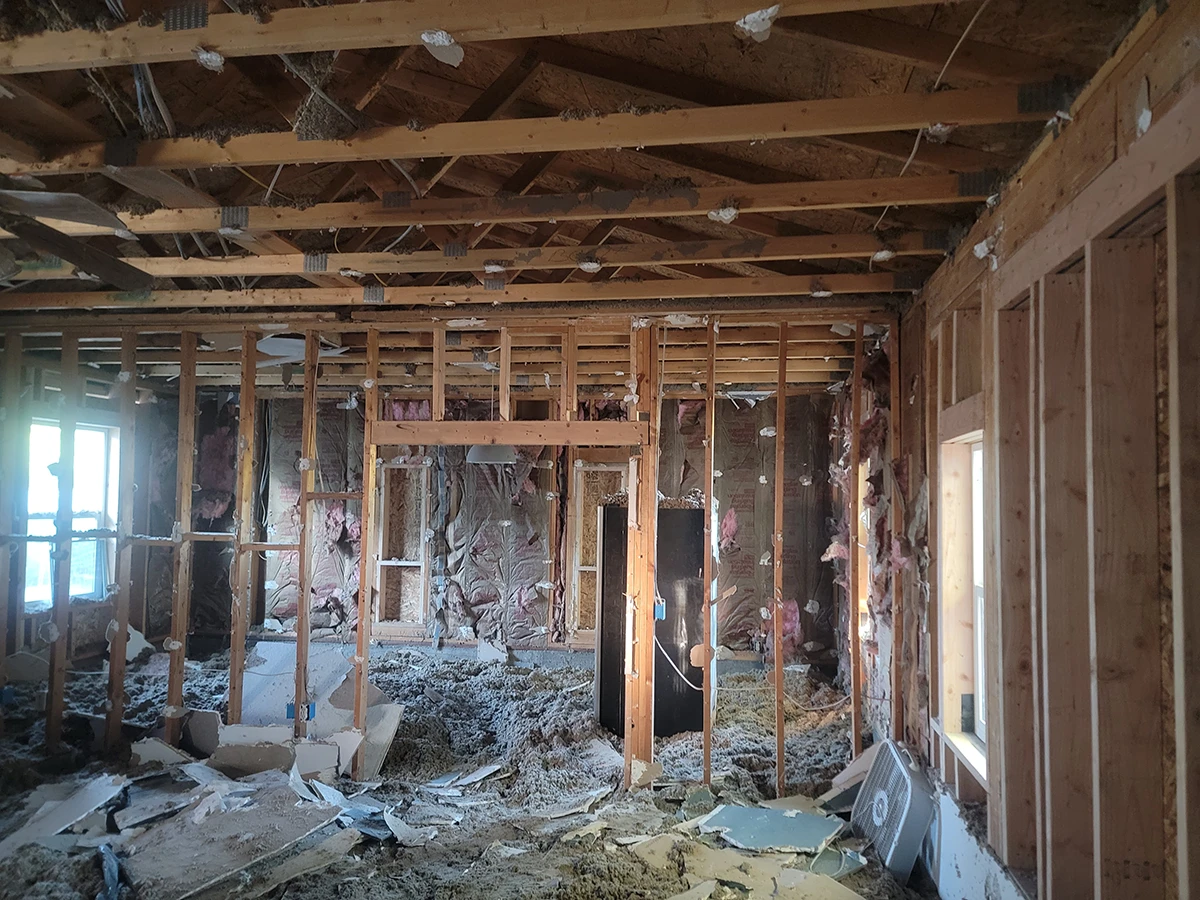
The Surprise Discovery: Behind the drywall, we found walls made of mud and straw bricks. One wall was failing so badly the roofline was sagging. We had to jack up the roof, remove the mud bricks, and reframe the entire exterior wall to modern 2x6 standards.

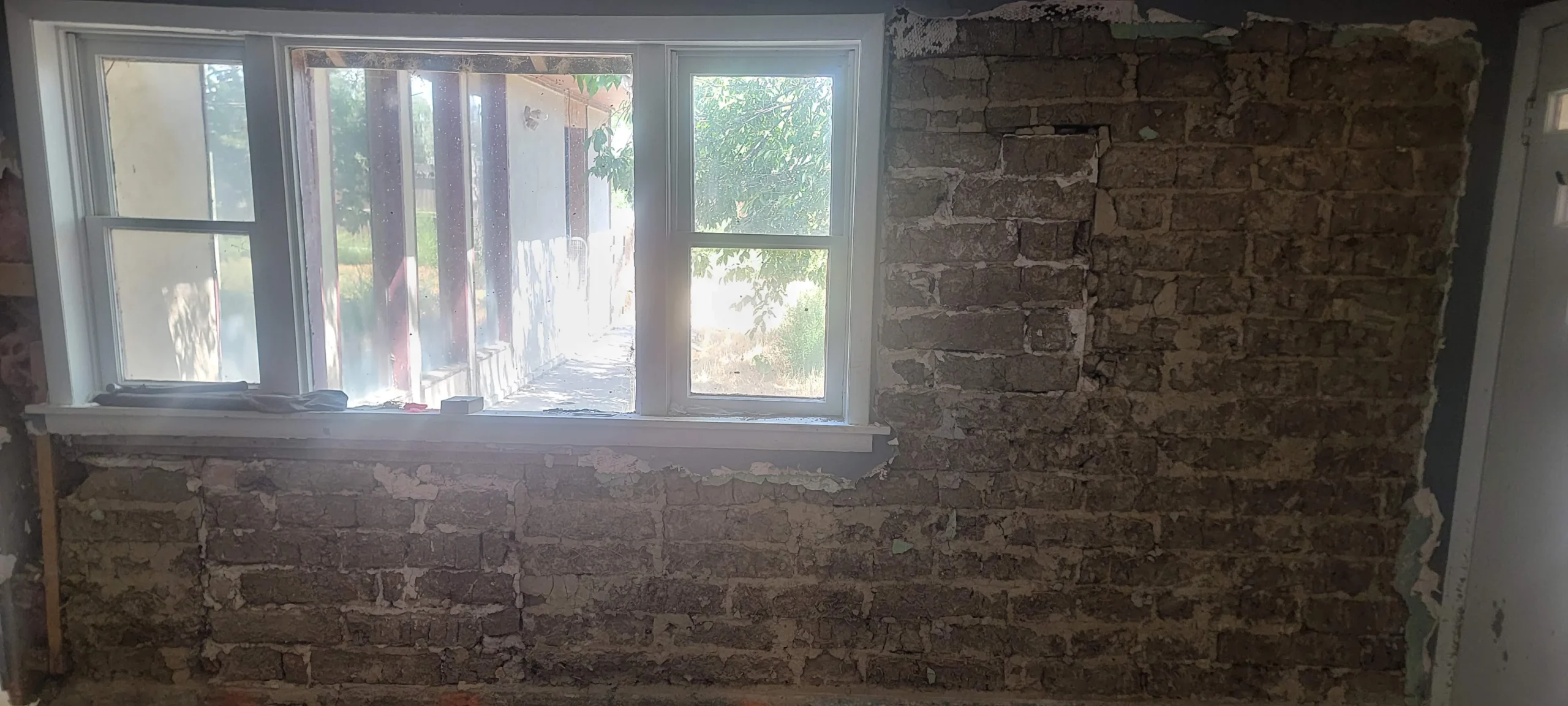
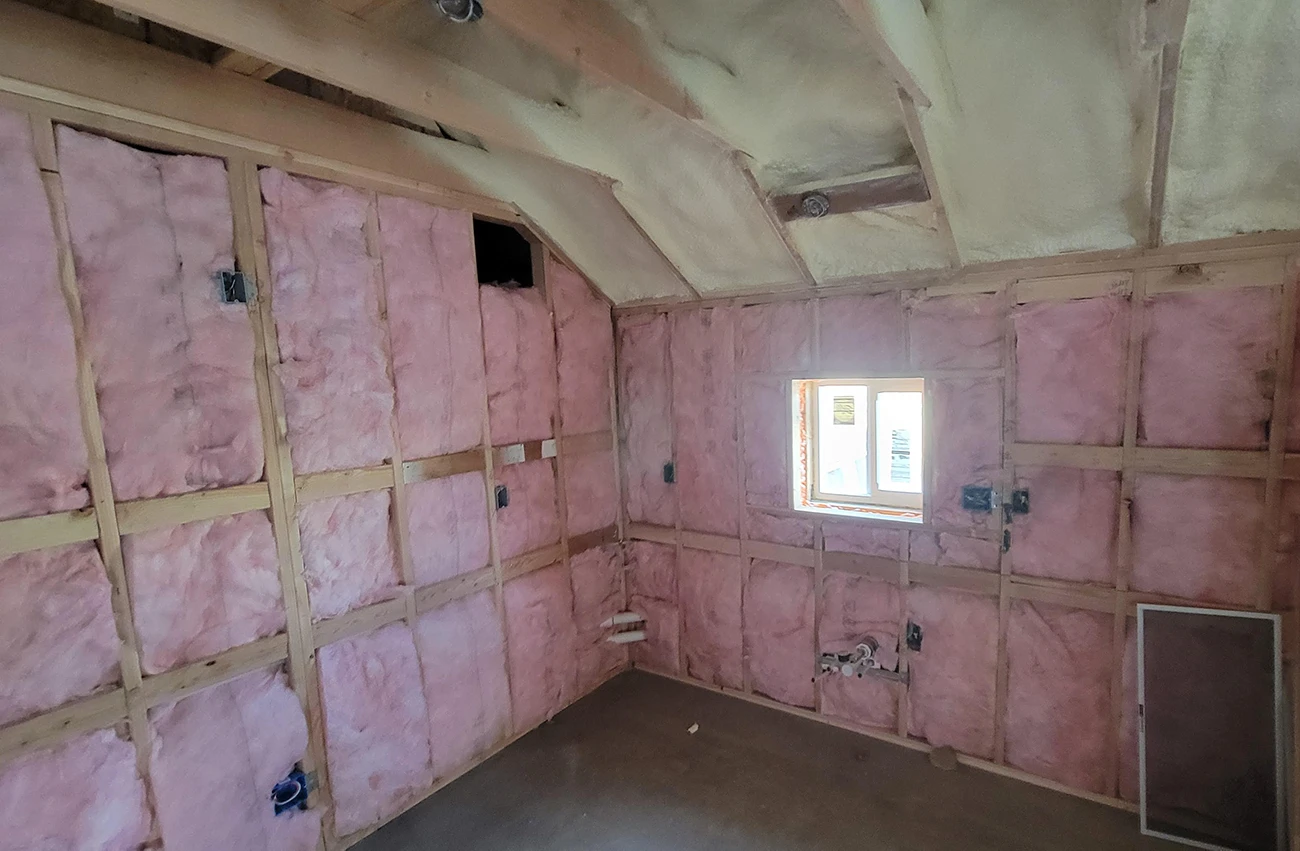
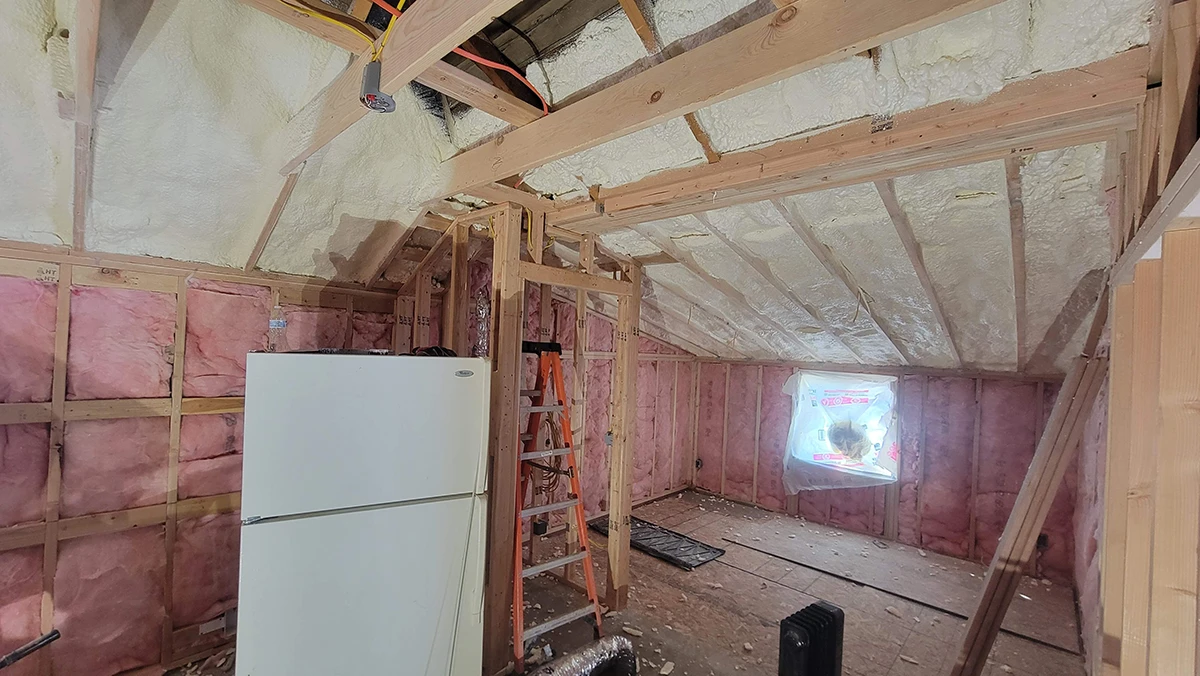
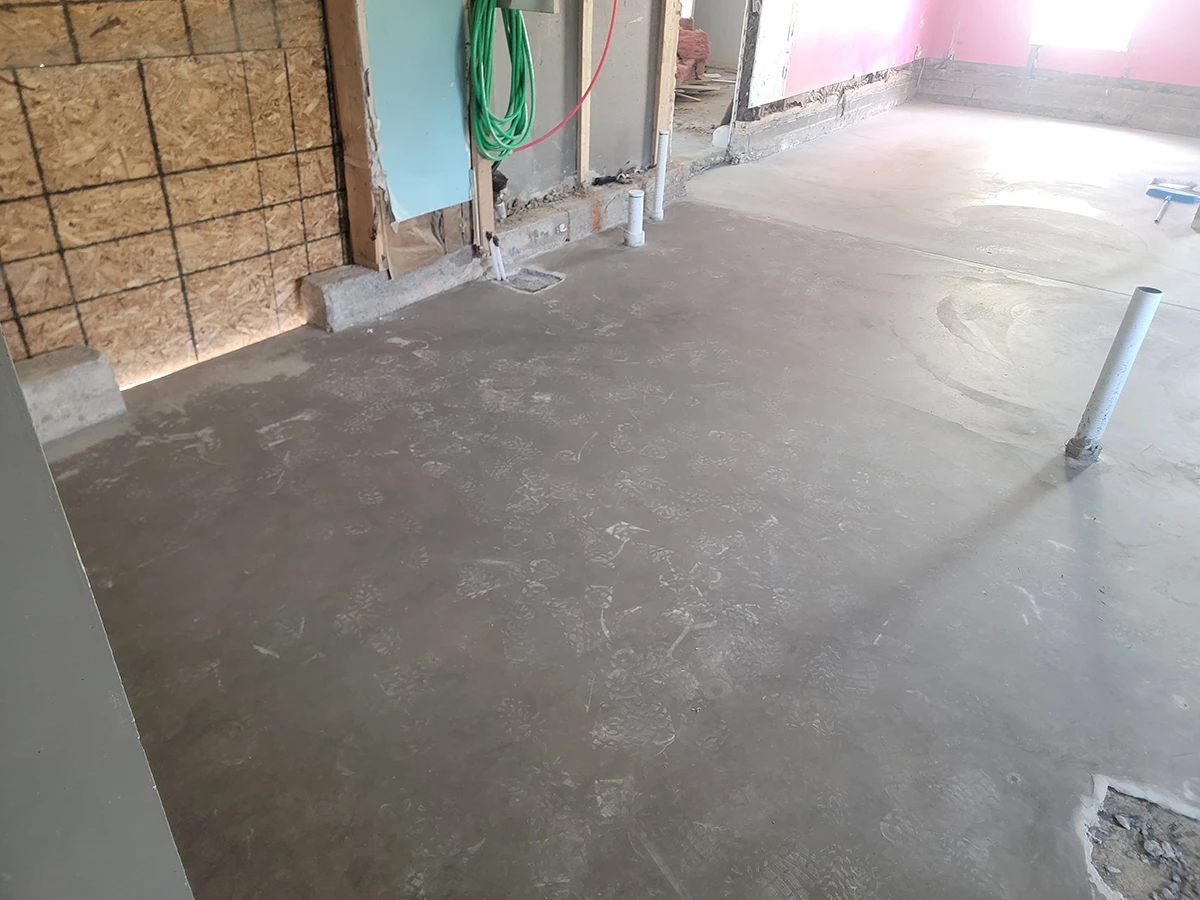
We stripped the interior down to the studs to correct structural failures hidden for decades.
Engineering the Split
Fire, Sound, and Separation
Converting a single-family home into a duplex isn't just about adding a door. It requires strict adherence to fire and safety codes.
The "Staggered Stud" Wall
To separate the two units (1,100 sq ft and 700 sq ft), we went above and beyond code. We built a staggered stud wall insulated with Rockwool. This design disconnects the drywall on one side from the studs on the other, significantly reducing sound transmission between tenants.
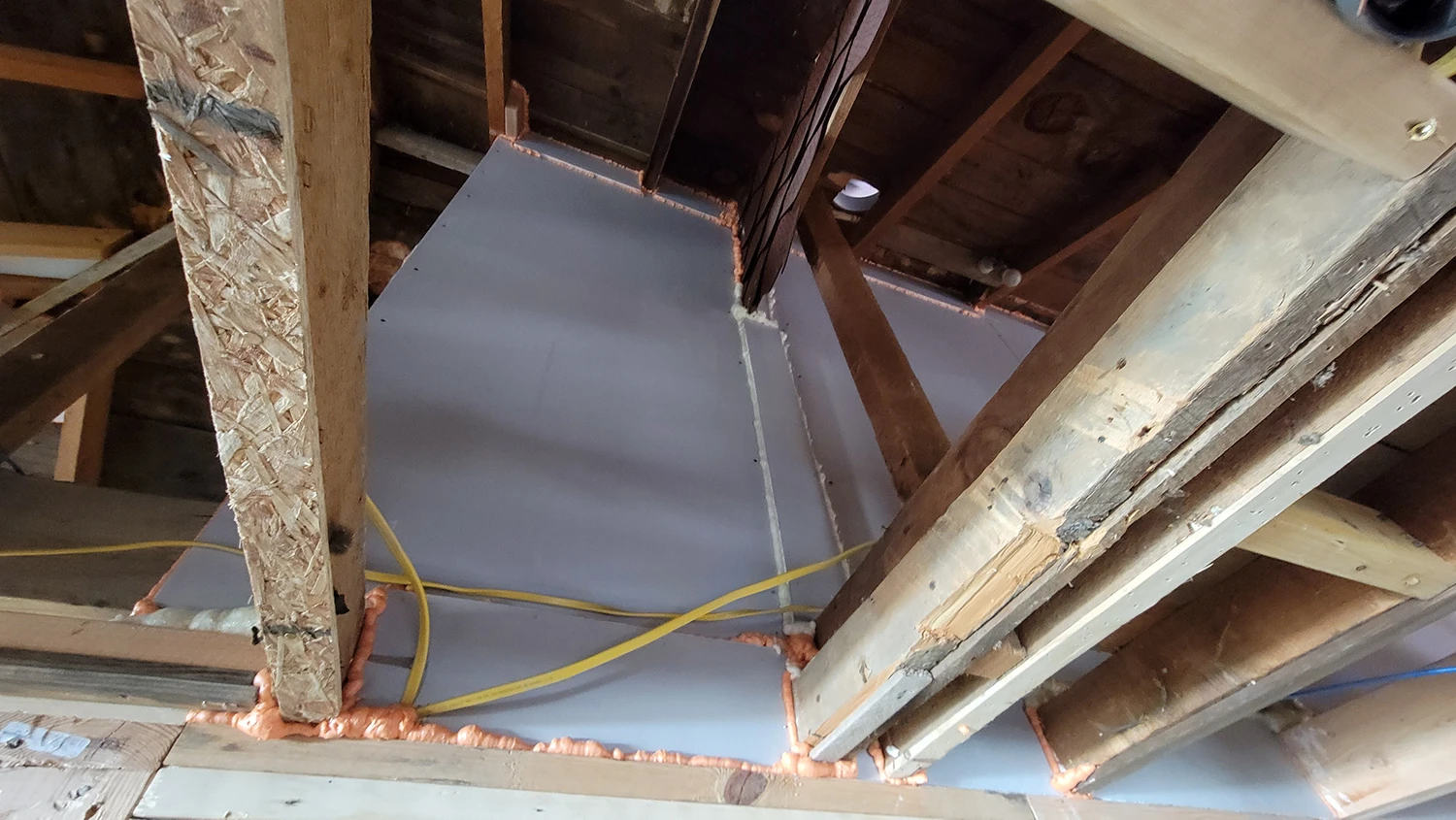
Fire Safety: We installed 5/8" Type X Fire-Rated drywall on both sides, used rockwool insulation, and built a "draft stop" in the attic to slow the spread of a fire. Safety was priority #1.

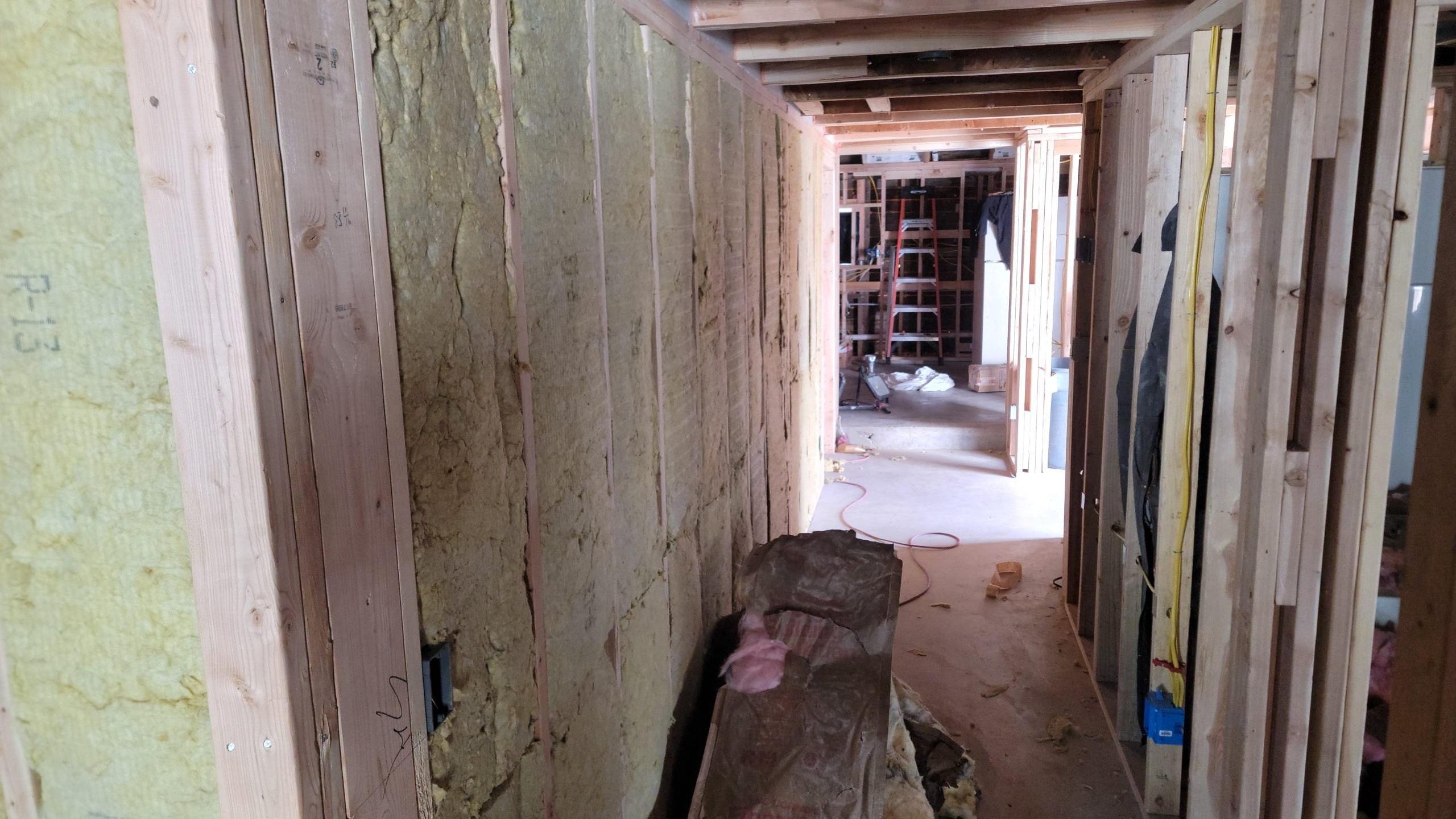
Framing the new separation wall required attention to details to meet fire code.
Smart Utilities & Safety
We removed the gas lines entirely, converting the home to a safer all-electric build. This eliminates the risk of carbon monoxide poisoning for future tenants.
- Heating: Dedicated electric baseboard heat gives tenants room-by-room control.
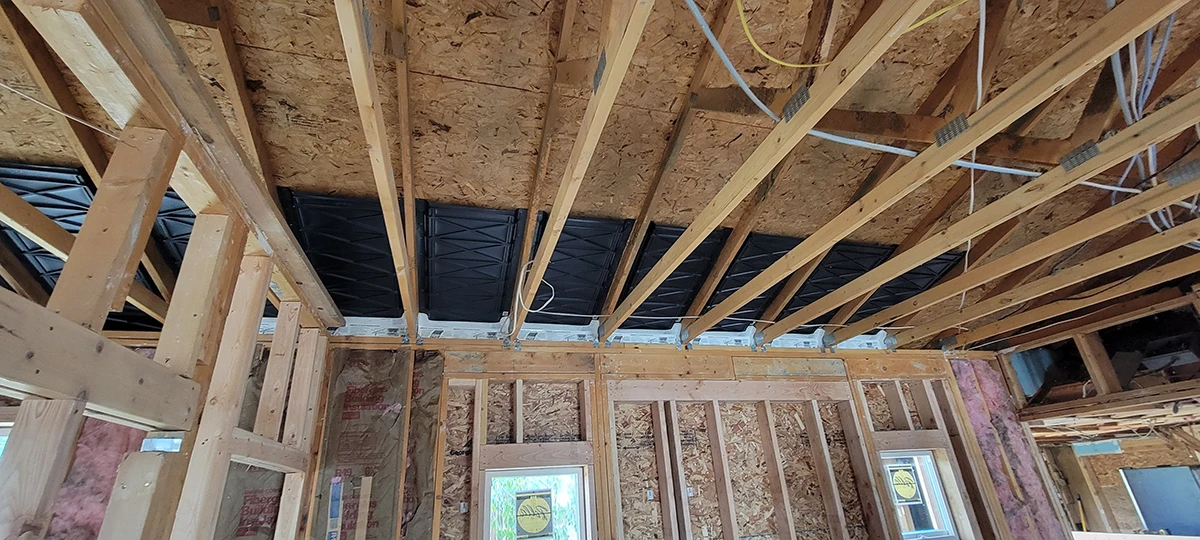
- Cooling: Roof-mounted evaporative coolers (swamp coolers) provide cost-effective cooling perfect for the dry Montrose climate.
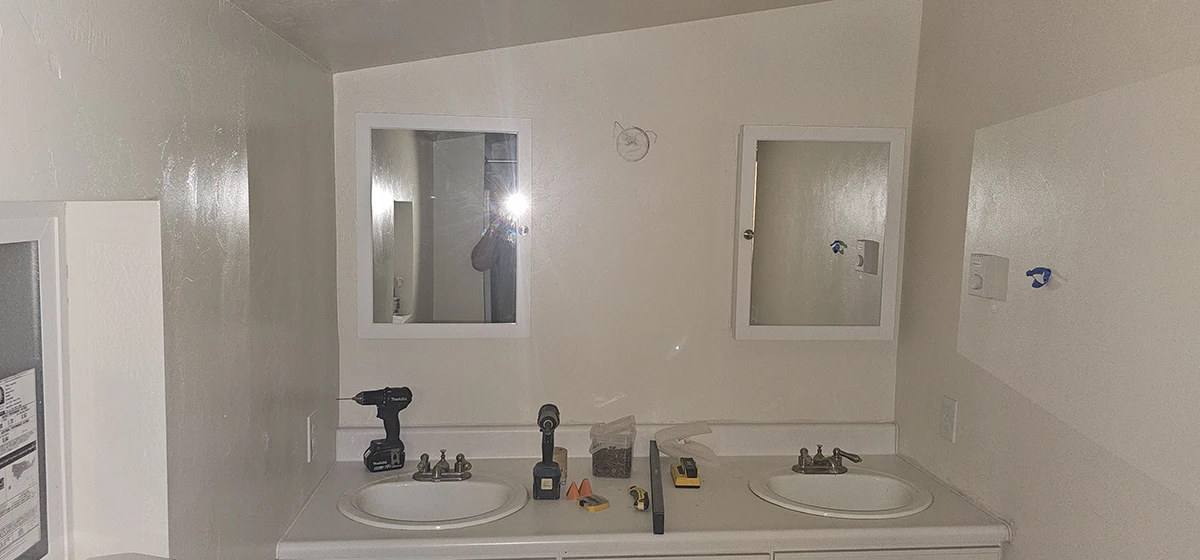
- Moisture Control: We wired the bathroom fans to the light switches. If the light is on, the fan is on. This prevents mold growth from tenants forgetting to vent the room.
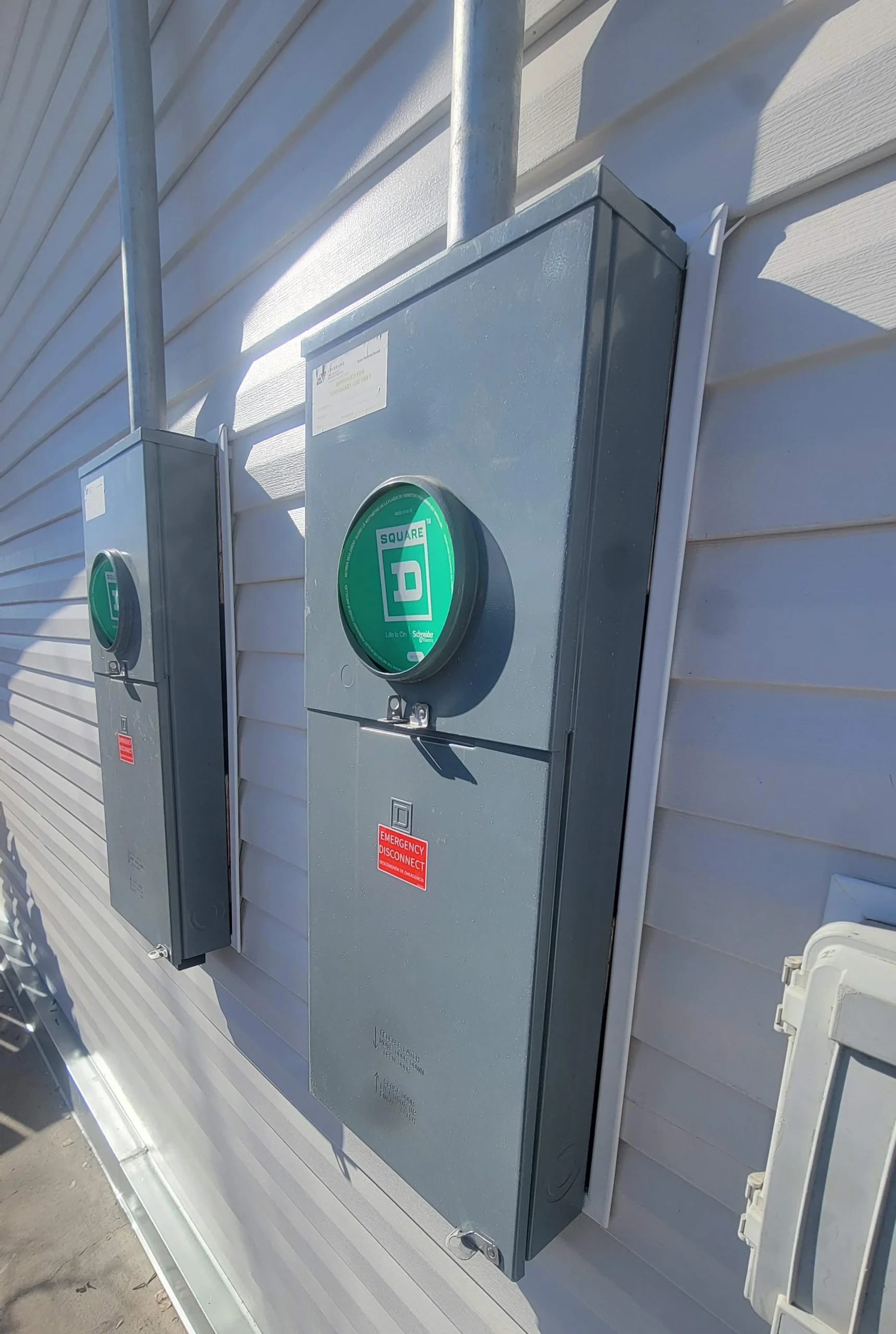
Updating the electrical to handle two modern units safely.
The Result: A High-Value Asset
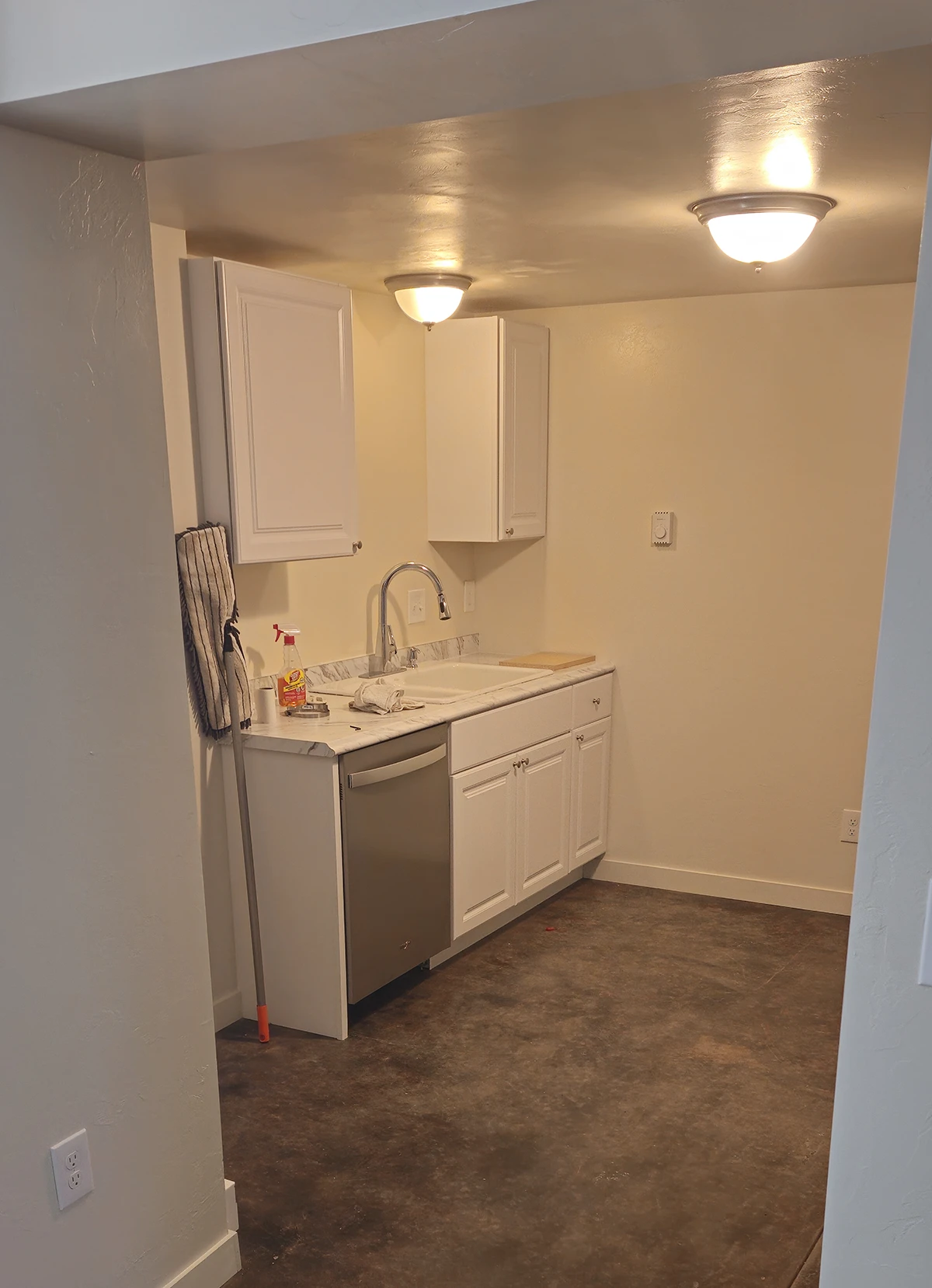
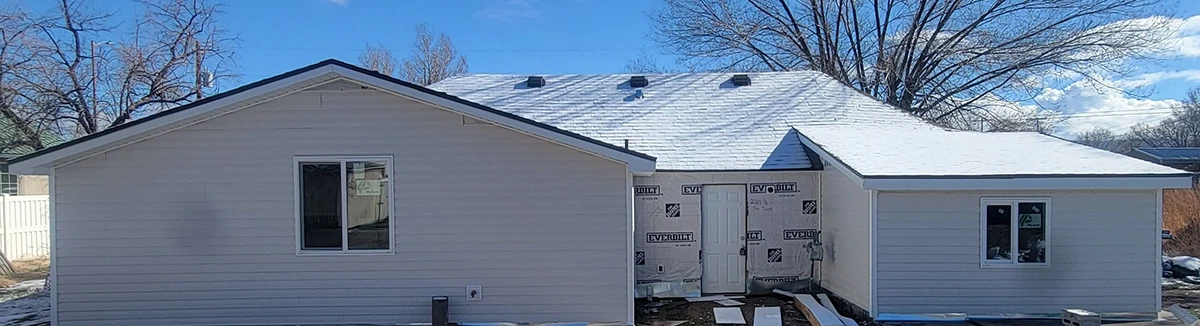
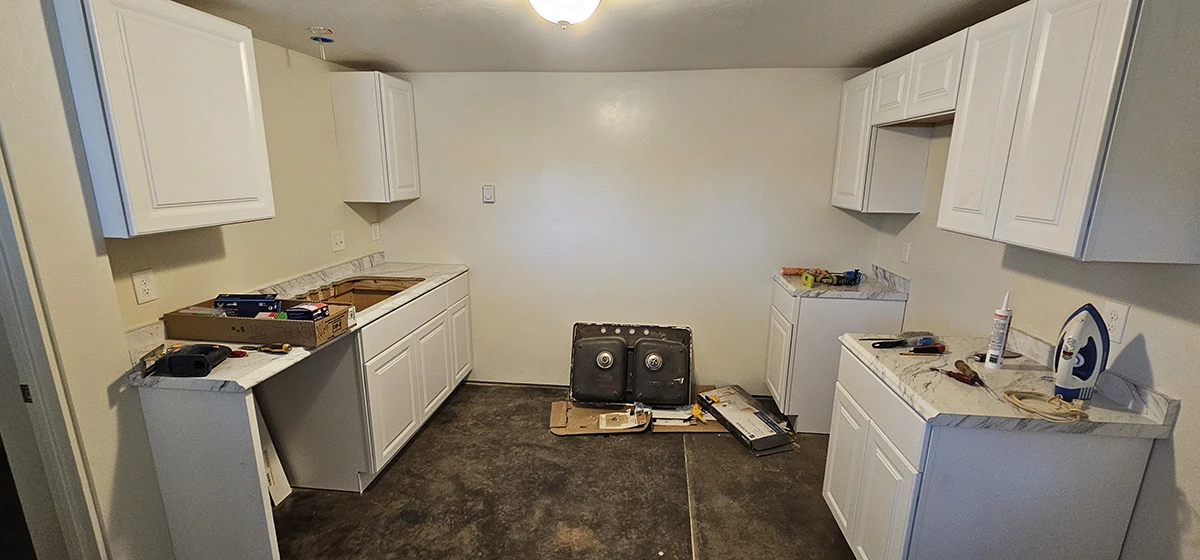
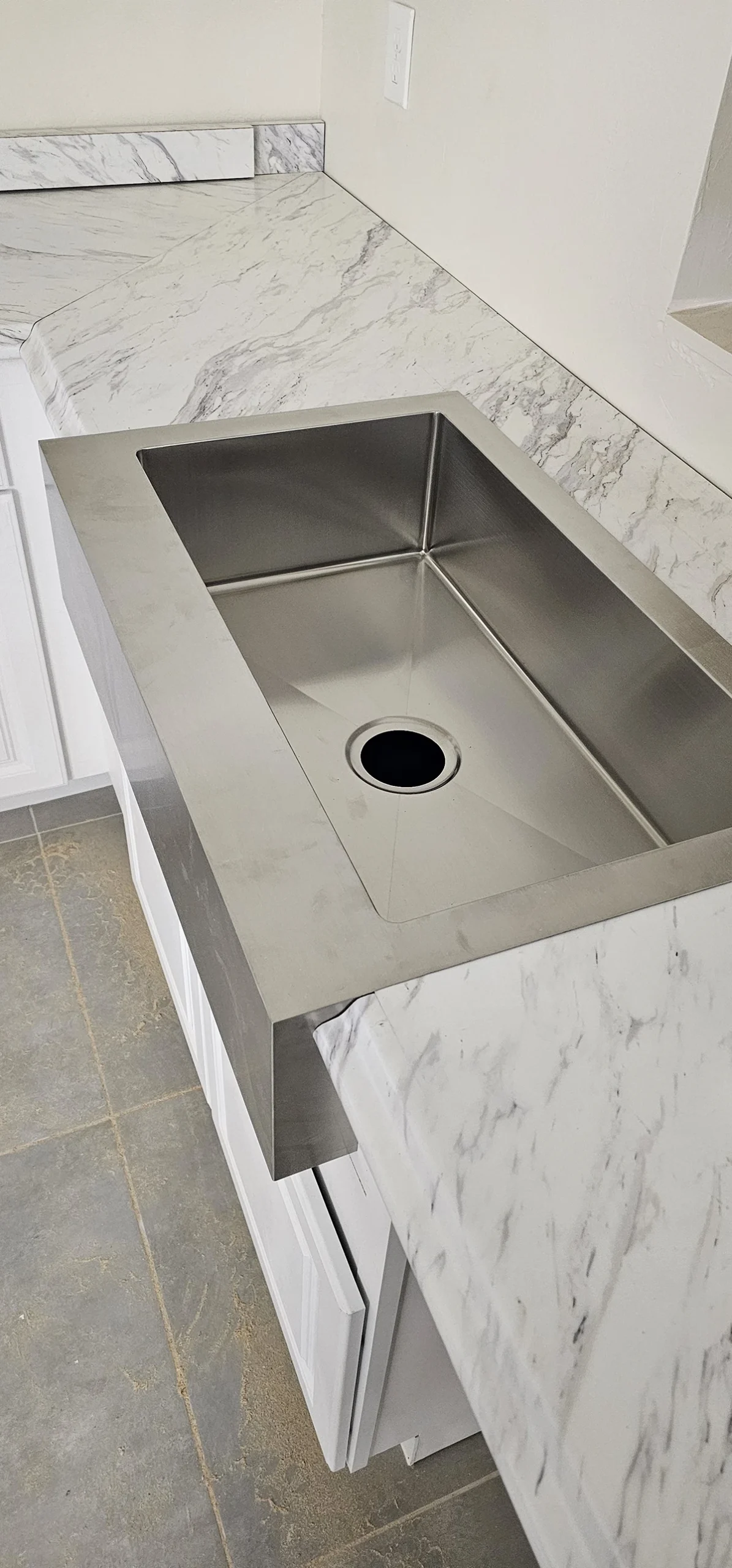
The transformation was total. We installed new vinyl siding, new windows, and built a second kitchen from scratch. To ensure durability for a rental, we chose materials wisely:
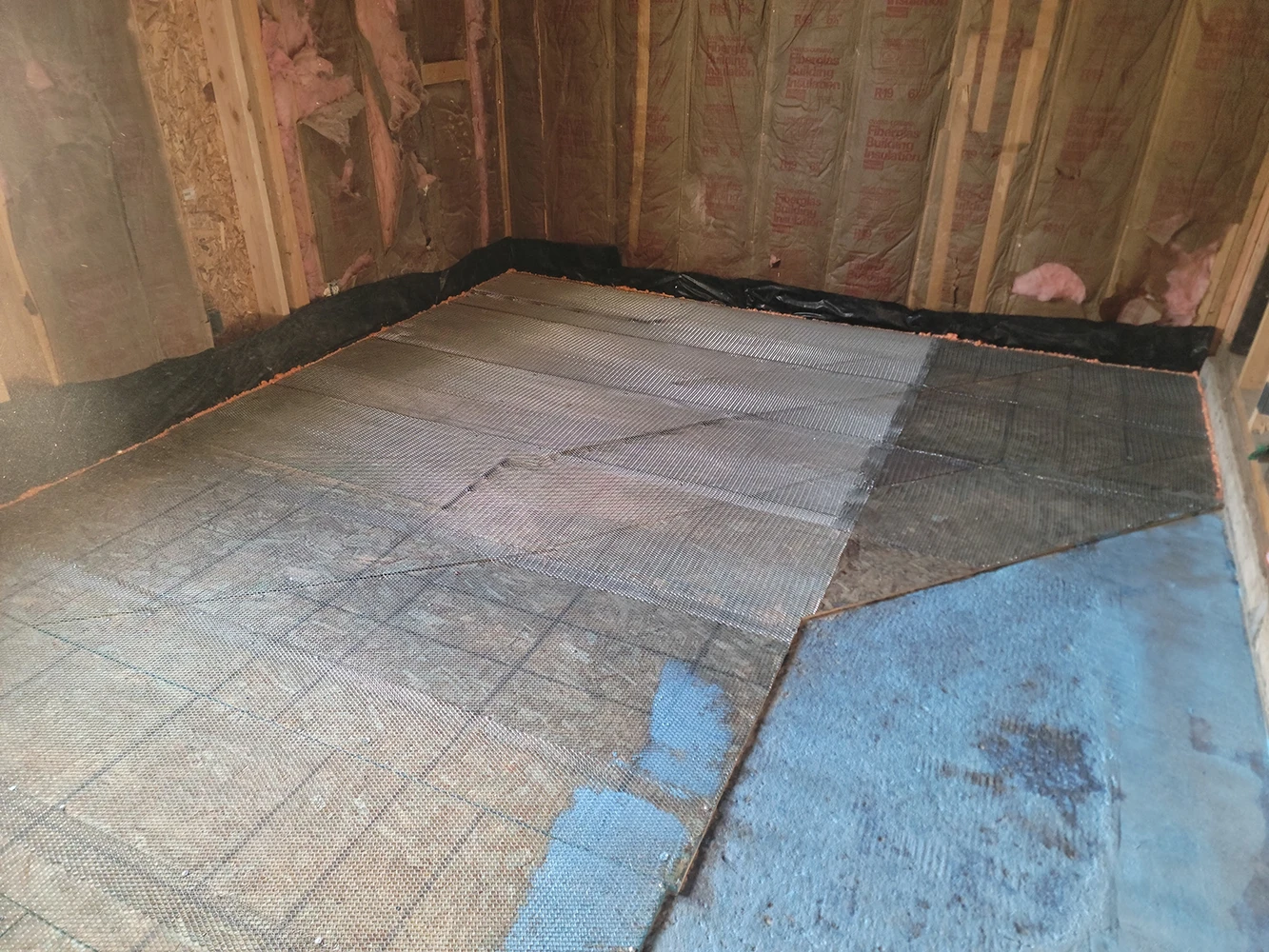
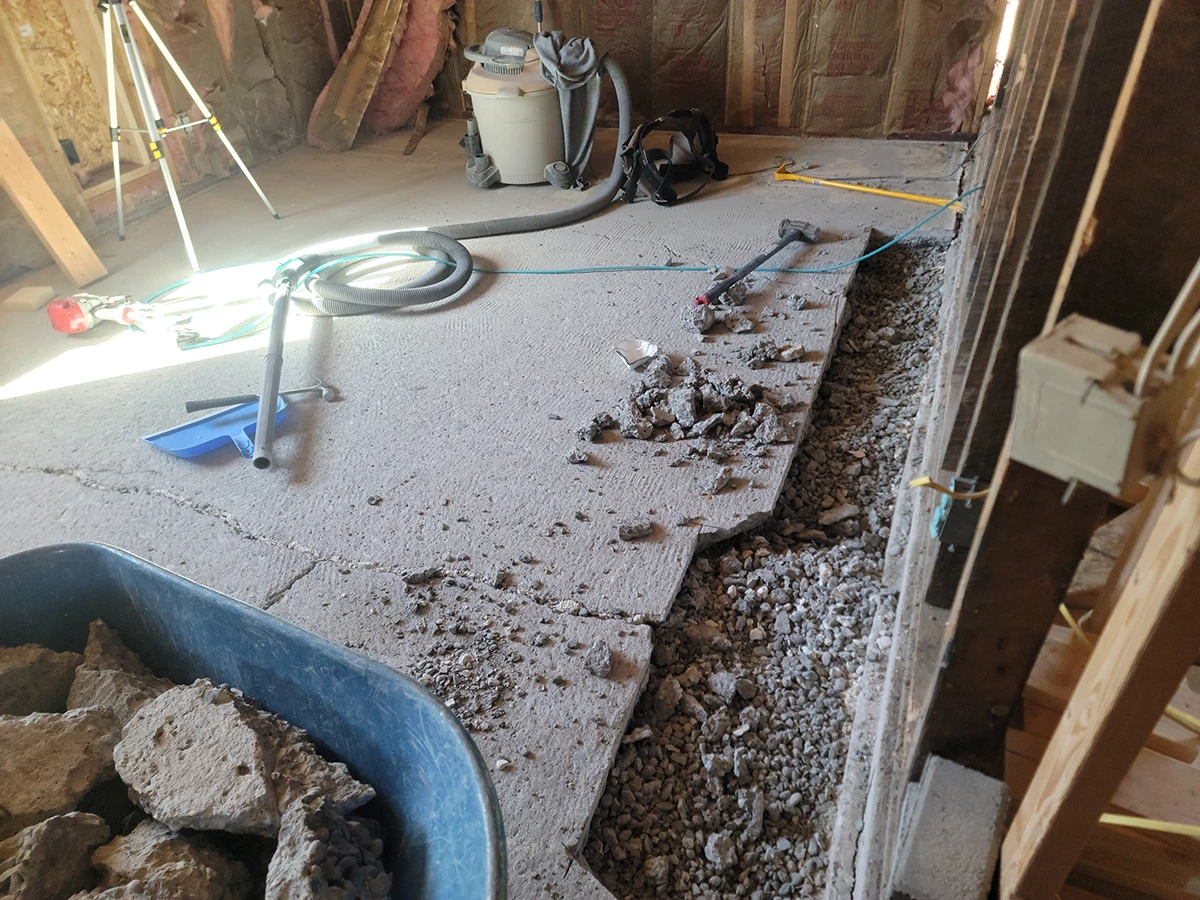
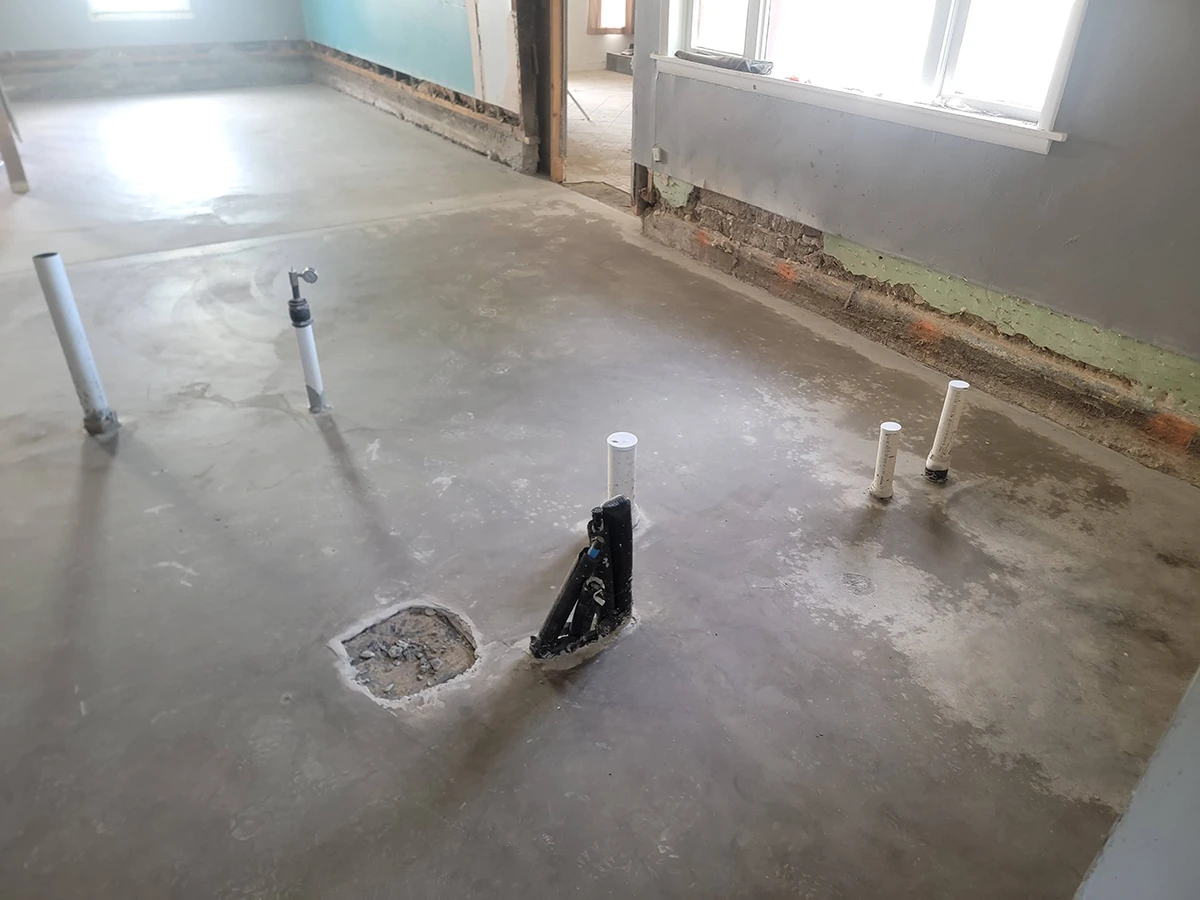
- Flooring: A mix of stained concrete (indestructible and cost-effective), tile in high-traffic wet areas, and easily replaceable carpet in bedrooms.
- Fixtures: We used Delta faucets throughout—reliable, easy to service, and timeless design.
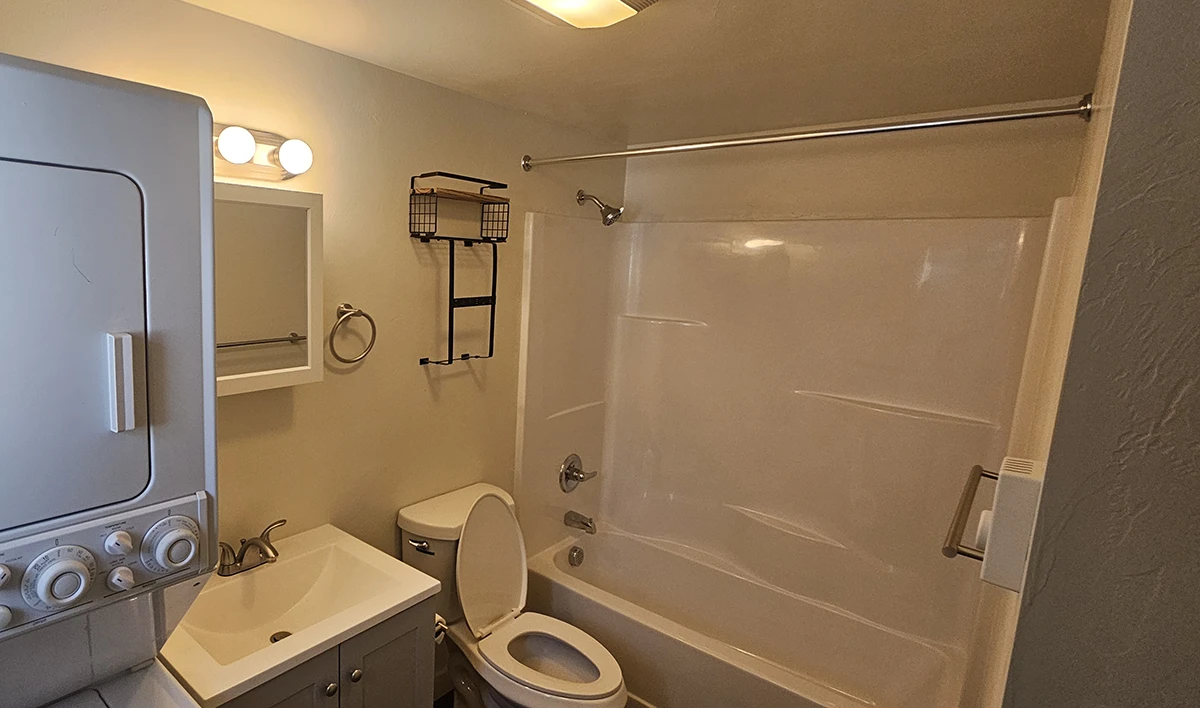
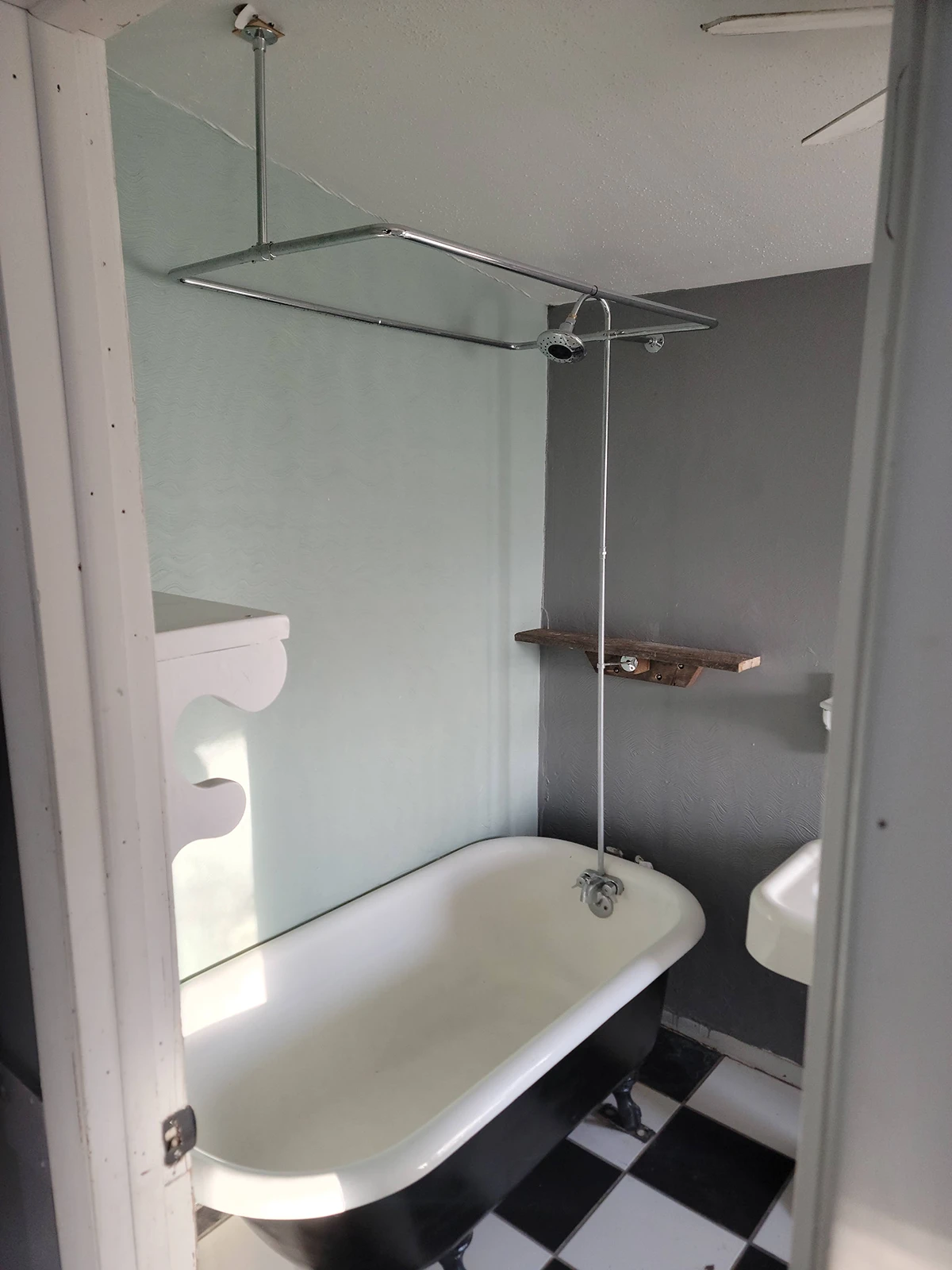
- Baths: Single-piece bathtubs set on a mortar bed foundation to prevent cracking or movement.
Client ROI
The property now generates approx. $3,000/month in rental income. The equity increase was so significant that the owner was able to refinance, pull out cash to invest in a new property, and still maintain positive cash flow.
Curious about the numbers? See what a project like this cost →
Project Gallery
Or call us directly: 970-497-8662